
Don't Just Show Weakness. Create Suspense.
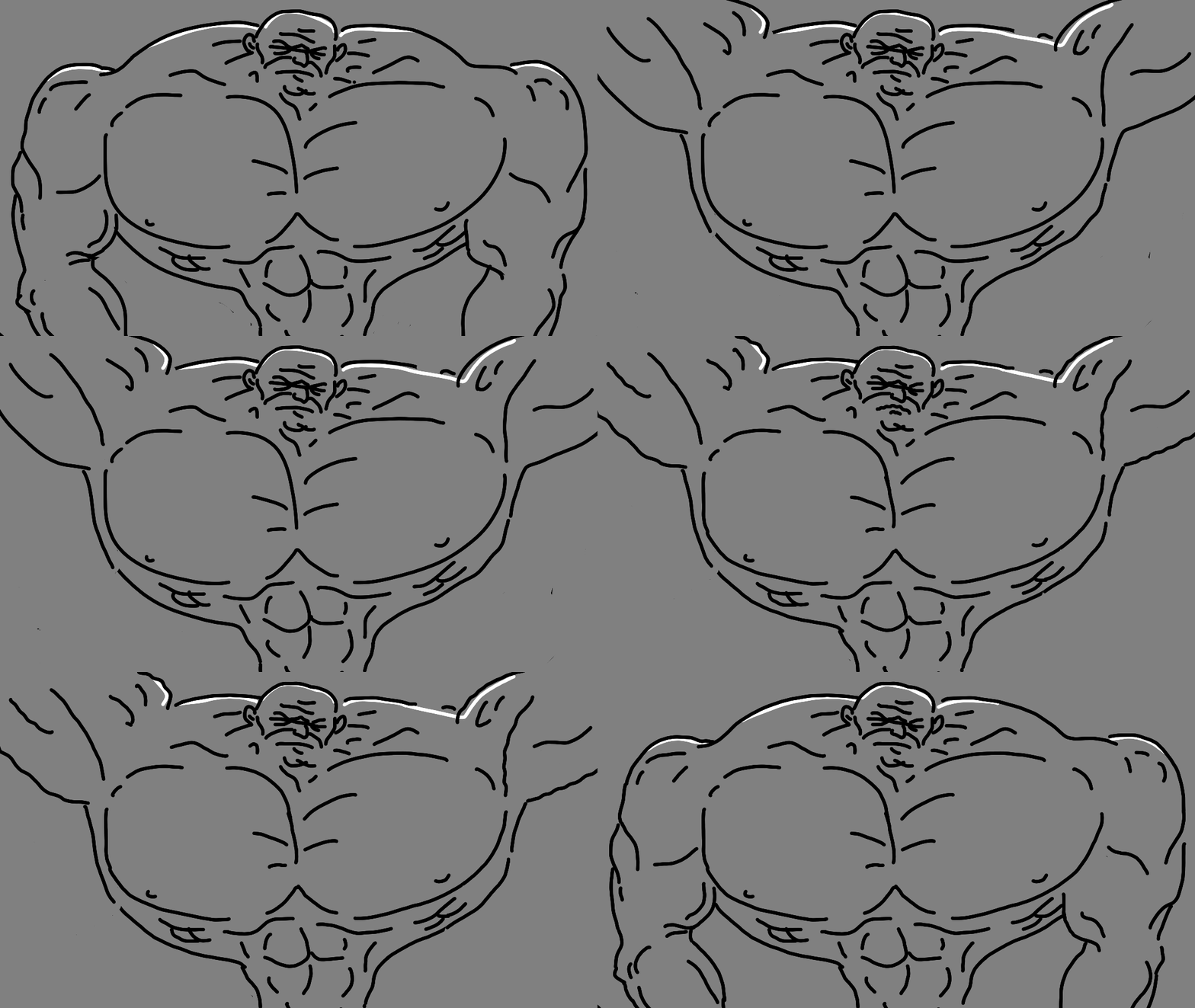
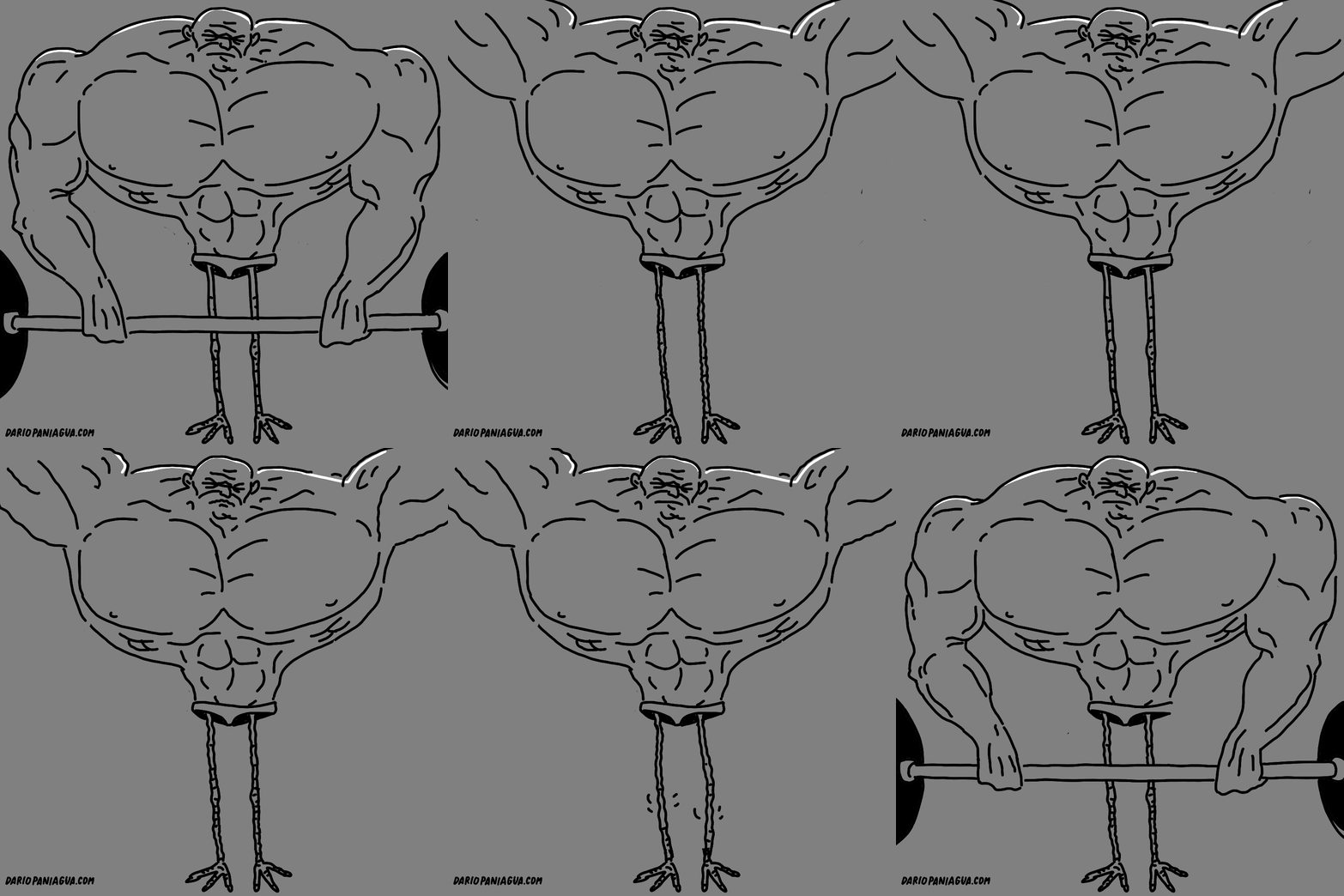
INKTOBER DAY 14 — FLIMSY
What is supposed to be strong, but isn't?
That's a great question to ask when you want to create a visual metaphor for flimsy.
Start by looking for something that seems too weak for the job it has to do.
Something that looks like it's going to break, collapse or fail at any moment.
Why does this work?
Because it creates suspense.
When we see something struggling to hold a weight it clearly can't handle, we start wondering:
Will it hold? Or will it break?
And suddenly, we're no longer just looking at an image.
We're waiting for something to happen.
Here are three ways to create that kind of tension:
1. Reverse the expected function.
What is supposed to be strong, but isn't?
2. Exaggerate the disproportion.
What tiny thing is trying to support something enormous?
3. Mix two different worlds.
What if a spiderweb had to support a railway train?
Or a bubble had to hold an entire house?
In my drawing, we have a bodybuilder with an incredibly musc...
Making Clichés Interesting: Minimalist Techniques for Visual Impact

We don't need to complicate things to make a cliché interesting to observe.
While we often can transform the cliché, manipulate its shape, put things inside it, mix it with other elements, change its perspective, etc., we can also make it interesting with some minimalist actions.
I want you to note three things about this image.
1) The position:
The cliché isn't blended with the person; it's simply positioned in front of them. However, this positioning automatically groups them into one entity.
2) The interaction:
The person behind the cliché makes a movement, and the cliché is subtly modified as a result.
3) The association of shapes:
The oval cliché corresponds to the shape of the muscle. When we connect elements by color or shape, we also associate their meanings.
By the way, what is the person saying?
What is the muscle saying?
If you want to learn Visual Thinking through metaphors without resorting to clichés, you can sign up on my website.
Than...
